How to Handle Old Photos Without Damaging Them
Handle old photos safely: clean hands or gloves, supporting fragile prints, cleaning dust, what never to use, and how to treat very old photo objects.
By Ayoub Farid · · 2 min read
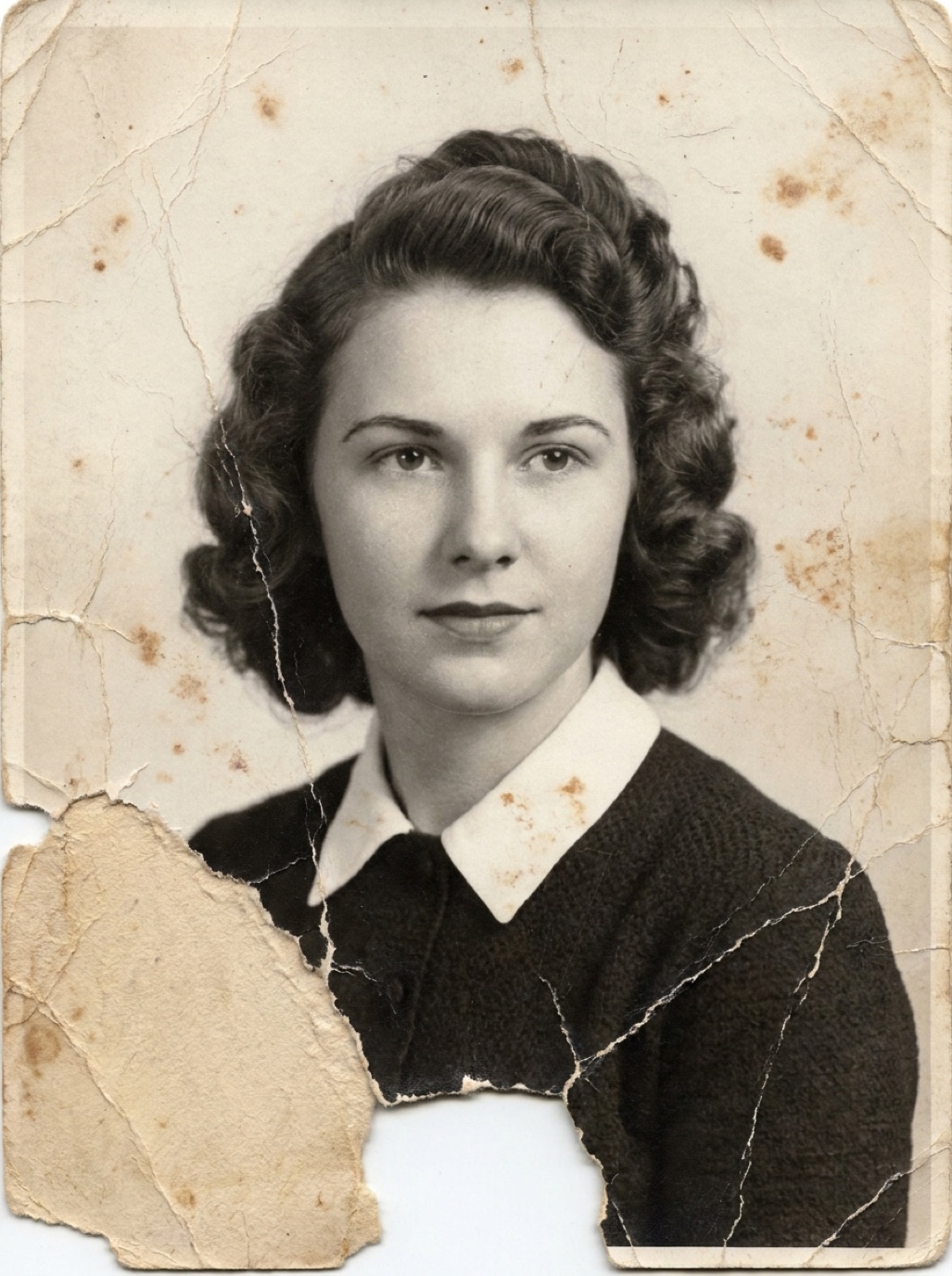
Old photos are surprisingly delicate. A thumbprint can etch into the image over years, a careless bend can crack the emulsion, and a well-meant wipe can scratch it. Good handling habits cost nothing and protect your collection while you scan and sort.
The basics
- Clean, dry hands, or nitrile gloves. Cotton gloves are traditional but can snag on fragile surfaces and reduce dexterity; nitrile is often better for loose prints.
- Hold by the edges, never on the image area.
- Support from below: slide a sheet of stiff card under fragile or large prints when moving them.
- Work on a clean, clear table, away from food and drinks.
- One photo at a time: don't shuffle stacks like playing cards.
Cleaning: less is more
- Do: brush loose dust off gently with a soft, clean brush, or use a rubber air blower.
- Don't: use water, saliva, glass cleaner, alcohol, erasers or wet wipes.
- Don't: rub with paper towels, tissues or clothing.
Dirt and stains that don't brush off are best handled digitally after scanning (see removing stains from old photos).
Writing on photos
Don't use ballpoint or felt-tip pens on photos; ink can bleed through or transfer. If you must write on a photo, use a soft pencil lightly on the back edge. Better: write on the archival sleeve or record information digitally (see labeling old photos).
Fragile and special items
- Curled photos: don't force them flat. Let them relax under light weight, or ask a conservator.
- Cracked or flaking prints: keep them flat on a card; don't brush flaking areas (see fixing cracked photos).
- Daguerreotypes: the image surface is extremely delicate; never open the glass package or touch the plate.
- Tintypes: metal can bend and rust; handle by edges.
- Glass negatives and ambrotypes: fragile glass; support fully.
See identifying types of old photographs.
During scanning
- Place photos gently on the scanner glass; don't slide them.
- Don't press on the scanner lid with force.
- Return each photo to its sleeve right after scanning.
Digitize so you handle them less
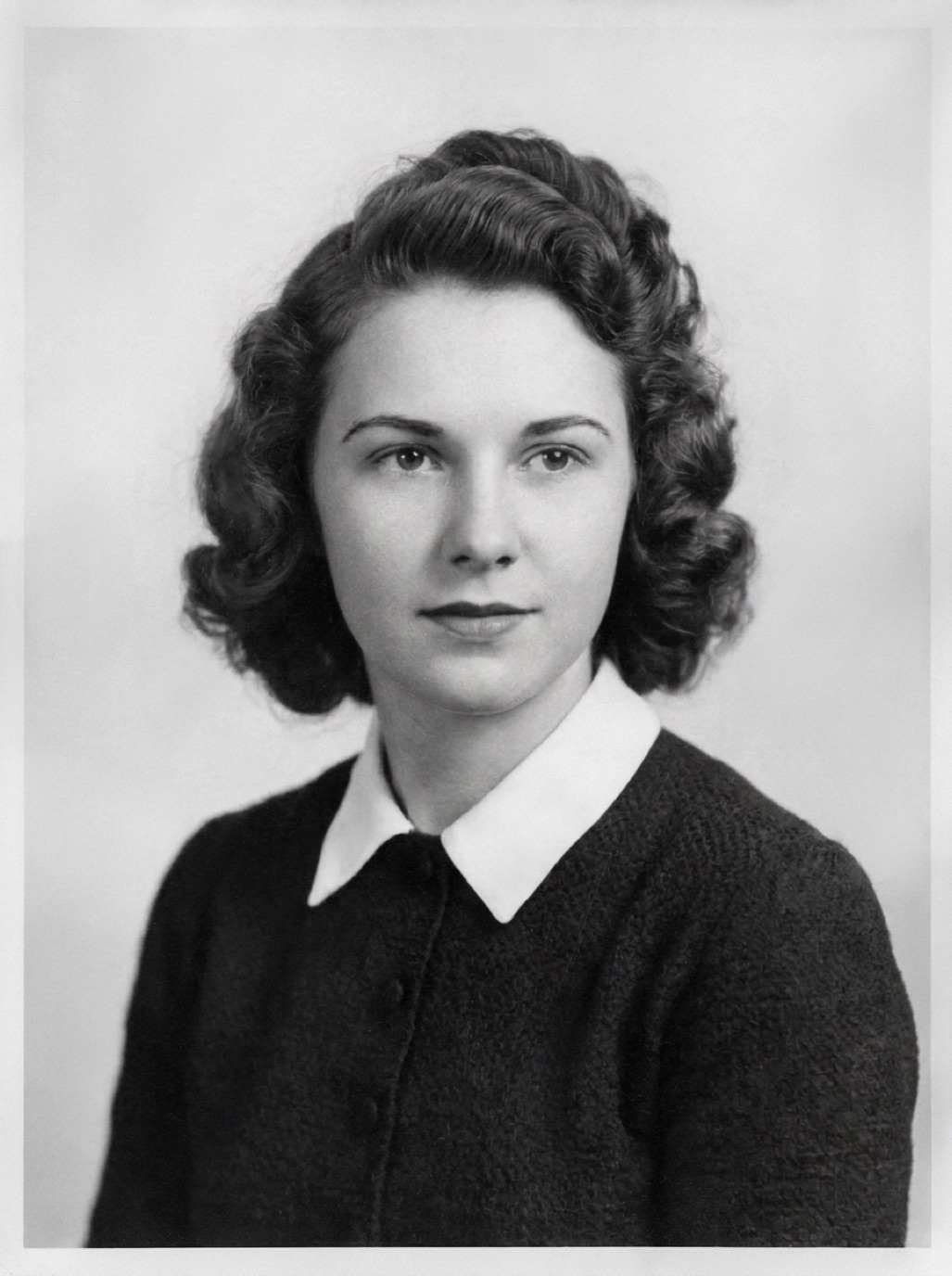
Every handling session adds risk. Once a photo is digitized and restored (for example with Refixo), share and enjoy the digital copy and store the original properly (see how to store old photos).
Frequently asked questions
Should I wear gloves to handle old photos?
Nitrile gloves are a good choice. Clean, dry hands are fine for brief handling of stable prints, holding them by the edges.
How can I clean an old photo?
Only remove loose dust with a soft brush or air blower. Anything more should be done digitally or by a conservator.
Can I write names on the back of old photos?
Use a soft pencil lightly near the edge, or better, write on the sleeve.
How do I flatten a curled photo?
Let it relax between clean paper under light weight for several days. Don't force it.
Restore it in seconds
Bring your old photos back to life
Refixo's AI removes scratches, tears and stains, sharpens faces and colorizes black & white photos in seconds. Free to download on iPhone and iPad, with a 3-day free trial.
Download on theApp Store