When Did Color Photography Start? A Timeline for Family Historians
When did color photography start and when did color photos become common? A timeline from the 1860s to the 1970s for dating family photos.
By Ayoub Farid · · 2 min read
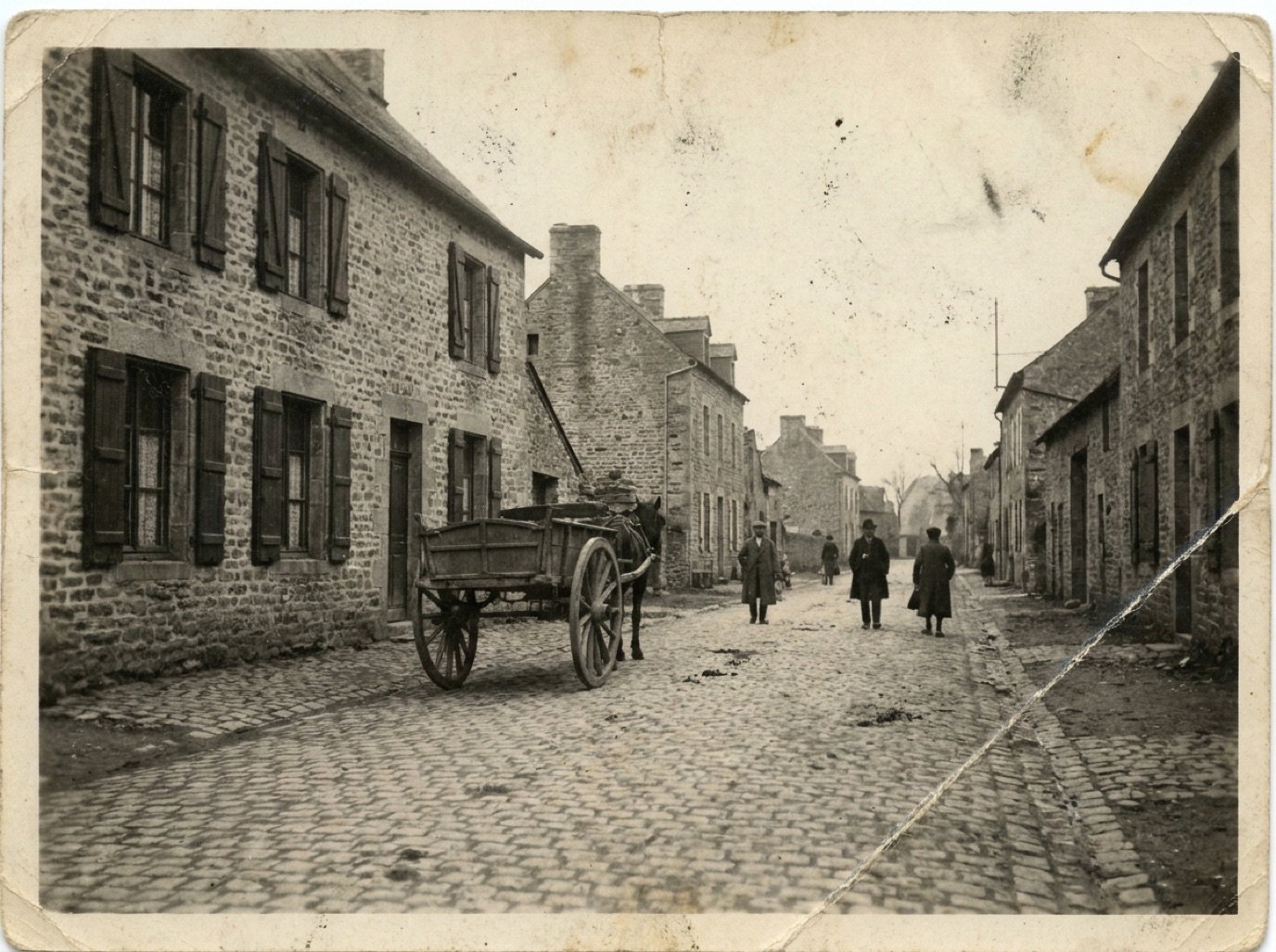
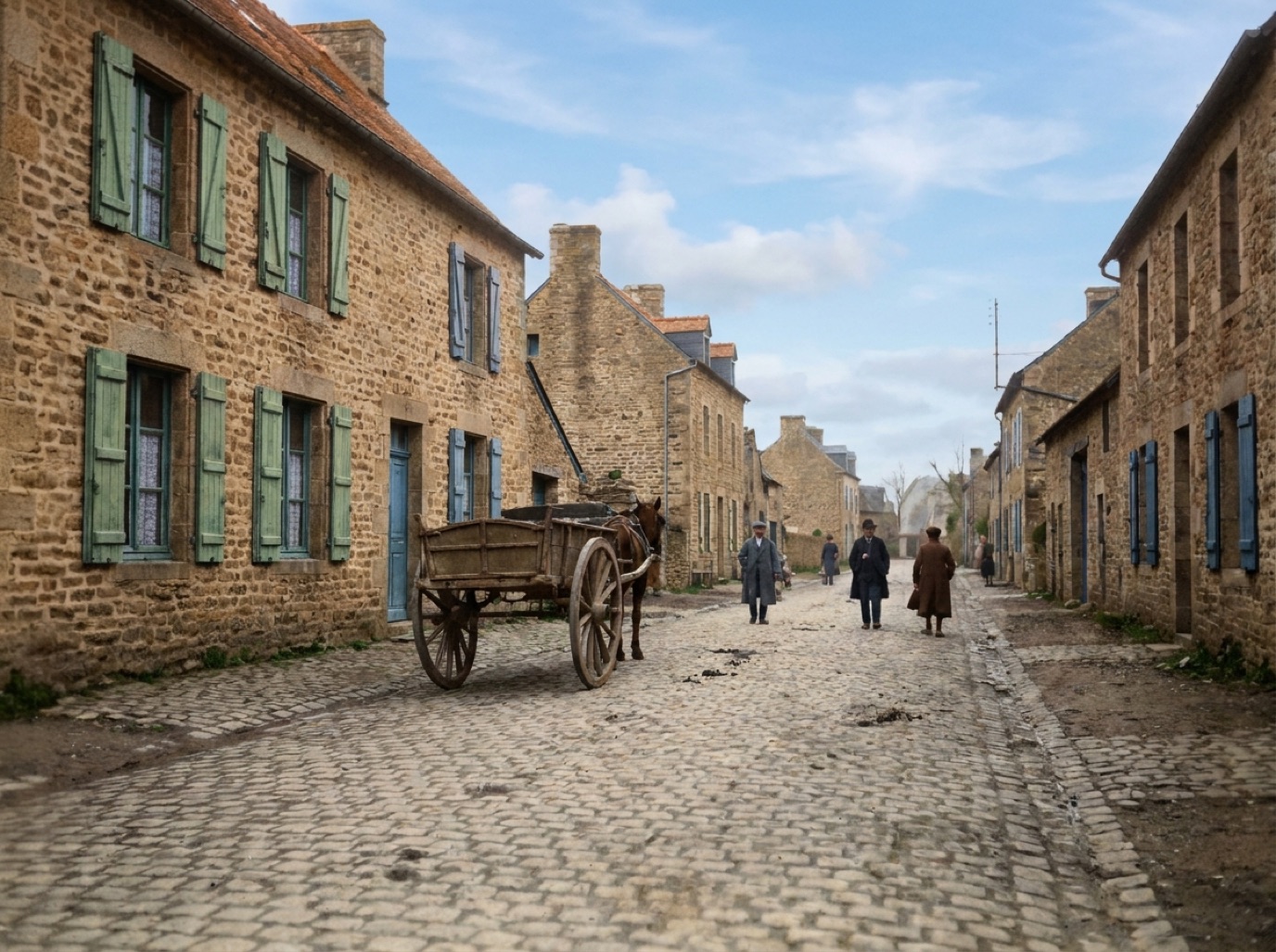
If your family photos switch from black and white to color at some point, you might wonder why then. Color photography existed much earlier than most people think, but it took about a century to become everyday. This timeline also helps you date family photos.
Timeline of color photography
1861: the first color photograph demonstration
Physicist James Clerk Maxwell demonstrated the three-color method, photographing a tartan ribbon through red, green and blue filters and projecting the results together. The principle, combining three color records, underlies almost all color photography since.
1900s–1910s: early experiments
Photographers like Sergei Prokudin-Gorsky in Russia used three separate exposures through color filters to create striking color images of the early 1900s, but viewing them required projection or later recombination.
1907: Autochrome
The Lumière brothers introduced the Autochrome plate in France, the first commercially successful color process. It produced beautiful, grainy, pointillist images on glass, but exposures were long and plates expensive. Mostly used by enthusiasts and professionals.
1935–1936: Kodachrome and Agfacolor
Kodak's Kodachrome slide film (1935) and Agfa's Agfacolor (1936) made color photography much more practical. Slides became popular with enthusiasts, which is why some families have color slides from the late 1930s to the 1950s.
1940s–1950s: color prints arrive
Color negative films and prints became available but remained more expensive than black and white. Many families still used black and white for everyday photos, with occasional color slides for holidays.
1960s–1970s: color becomes normal
Cheaper color print film, instant cameras and mass processing made color the default for family snapshots in many countries by the late 1960s and 1970s, though timing varied a lot by country and income.
What this means for your family photos
| Your photo | Likely era |
|---|---|
| Black and white or sepia studio portrait on card | 1860s–1920s |
| Hand-colored portrait | 1840s–1950s (see hand-tinted photos) |
| Color slides | Late 1930s onwards |
| Square color print with white border | 1960s–1970s |
| Faded orange color print | 1960s–1980s (see fixing faded photos) |
For more dating clues, read how to date old photos.
Seeing older photos in color today
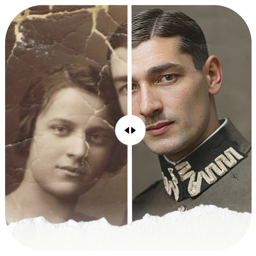
For photos taken before color was common, AI colorization can show a plausible version in color. With Refixo, black and white and sepia photos can be restored and colorized in seconds, and you can compare both versions with a slider. Remember that the colors are interpretations (see are colorized photos accurate?).
Frequently asked questions
When was the first color photo taken?
James Clerk Maxwell demonstrated the three-color principle in 1861, often cited as the first color photograph.
When did color photos become common?
For everyday family snapshots, generally in the late 1960s and 1970s, depending on the country.
Why are so many 1970s photos orange?
Color prints from that era used dyes that fade unevenly, especially the cyan layer, leaving warm tones.
Can old black and white photos be turned into color?
Yes. AI colorization adds plausible colors to black and white and sepia photos.
Restore it in seconds
Bring your old photos back to life
Refixo's AI removes scratches, tears and stains, sharpens faces and colorizes black & white photos in seconds. Free to download on iPhone and iPad, with a 3-day free trial.
Download on theApp Store