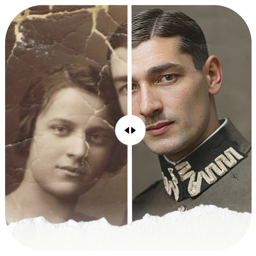
Hand-Tinted Photos: The History of Colorizing Before AI
Before AI, photos were colorized by hand. The history of hand-tinted photos from daguerreotypes to the 1950s, how to recognize them and how to restore them.
By Ayoub Farid · · 2 min read
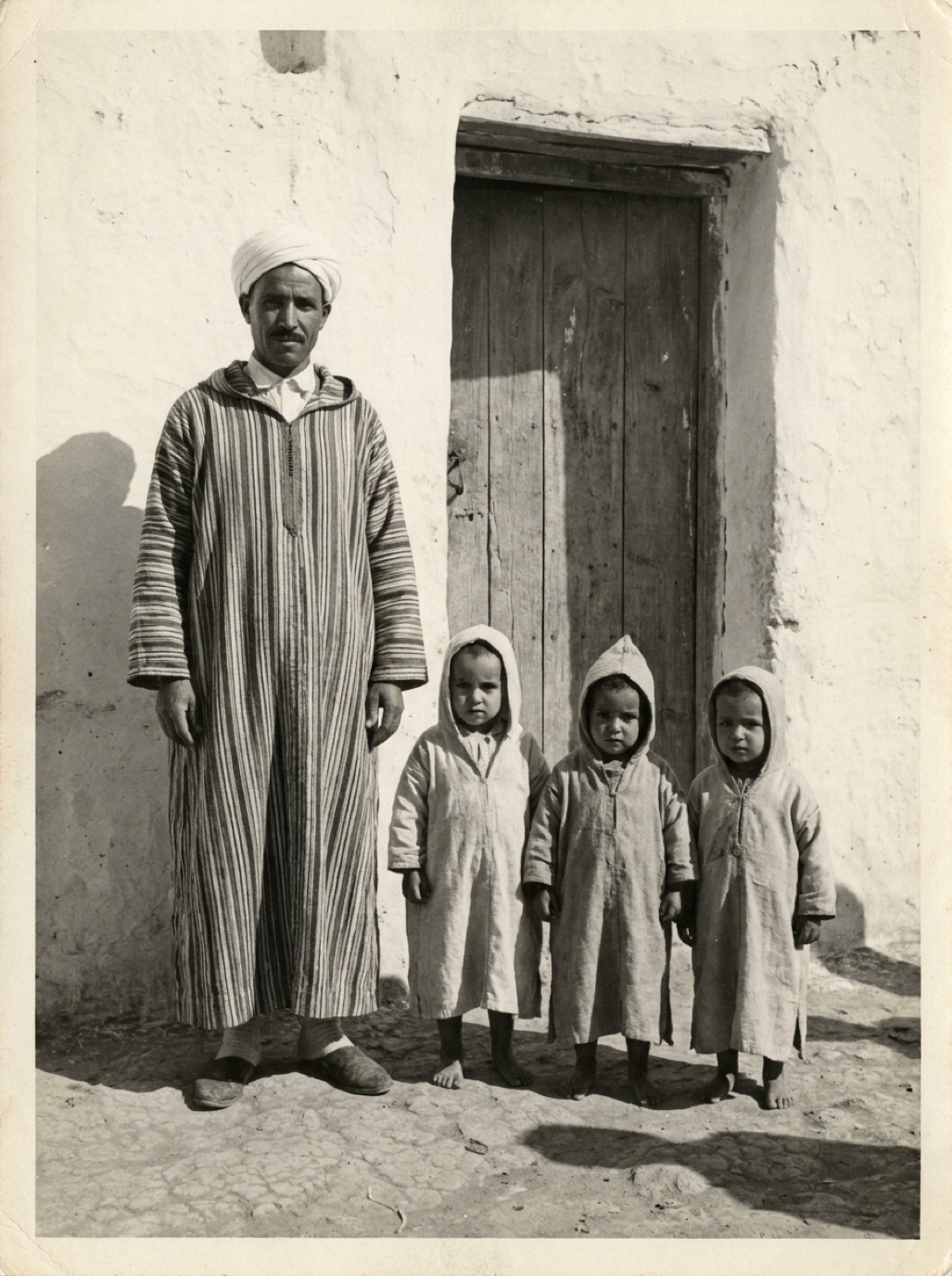

People have wanted color in their photographs for as long as photography has existed. Long before AI, and long before practical color film, artists added color by hand with paint, dyes, pastels and pencils. You may have a hand-tinted photo in your family collection without realizing it.
A short history
- 1840s: soon after the daguerreotype was introduced, studios began adding powdered pigment to cheeks and gilding jewelry.
- Late 1800s: cabinet cards and cartes de visite were sometimes tinted with watercolors.
- Early 1900s: hand-colored postcards, often of landscapes and cityscapes, became hugely popular.
- 1920s–1950s: hand-tinted portraits, often with oil paints over a black and white or sepia print, were a common studio service, especially for weddings, graduations and military portraits.
- 1950s–1960s: color film became more affordable and hand-tinting gradually faded out.
How to recognize a hand-tinted photo
- Soft, slightly flat colors, often pastel.
- Color sitting on top of a visible monochrome image; colors may stop short of edges or slightly overlap.
- Selective color: rosy cheeks and lips but grey clothing, or a colored background with grey people.
- Brush or pencil texture visible up close.
- Matte surface in the colored areas on glossy prints.
Restoring hand-tinted photos
Hand-tinted photos have their own vulnerabilities: paint can flake, pastels can smudge and dyes can fade unevenly.
- Handle very gently; never brush flaking paint (see how to handle old photos).
- Capture in soft light to avoid shine on painted areas.
- Decide what you want: restore the hand-tinted look (repair damage, keep the period colors), or treat it as black and white and colorize naturally.
With Refixo, restoration removes cracks, stains and fading. Some people prefer to keep the original hand-tinted version restored and also create a fully colorized one for comparison.
Hand-tinting vs AI colorization
| Hand-tinting | AI colorization | |
|---|---|---|
| Time | Hours per photo | Seconds |
| Colors | Artist's choice, often from the sitter | Predicted from patterns |
| Look | Painterly, pastel | Photographic |
| Accuracy | Sometimes informed by the customer | Plausible guesses |
Both are interpretations. Read are colorized photos accurate? and how to colorize black and white photos.
Frequently asked questions
How can I tell if an old photo was hand-colored?
Look for soft, flat colors on top of a monochrome image, selective color and visible brush or pencil texture.
Are hand-tinted photos valuable?
They can be, especially early or well-executed examples. Keep originals stored carefully.
Can I restore a hand-tinted photo without losing the tint?
Yes. Restoration removes damage and can keep the period colors; colorization is a separate choice.
When did people stop hand-tinting photos?
It declined in the 1950s and 1960s as color film became affordable.
Restore it in seconds
Bring your old photos back to life
Refixo's AI removes scratches, tears and stains, sharpens faces and colorizes black & white photos in seconds. Free to download on iPhone and iPad, with a 3-day free trial.
Download on theApp Store