The Ethics of Colorizing Historical Photos: A Practical Guide
Is it right to colorize historical photos? The main arguments, the risks of misleading viewers, and simple rules for colorizing family and historical photos.
By Ayoub Farid · · 2 min read
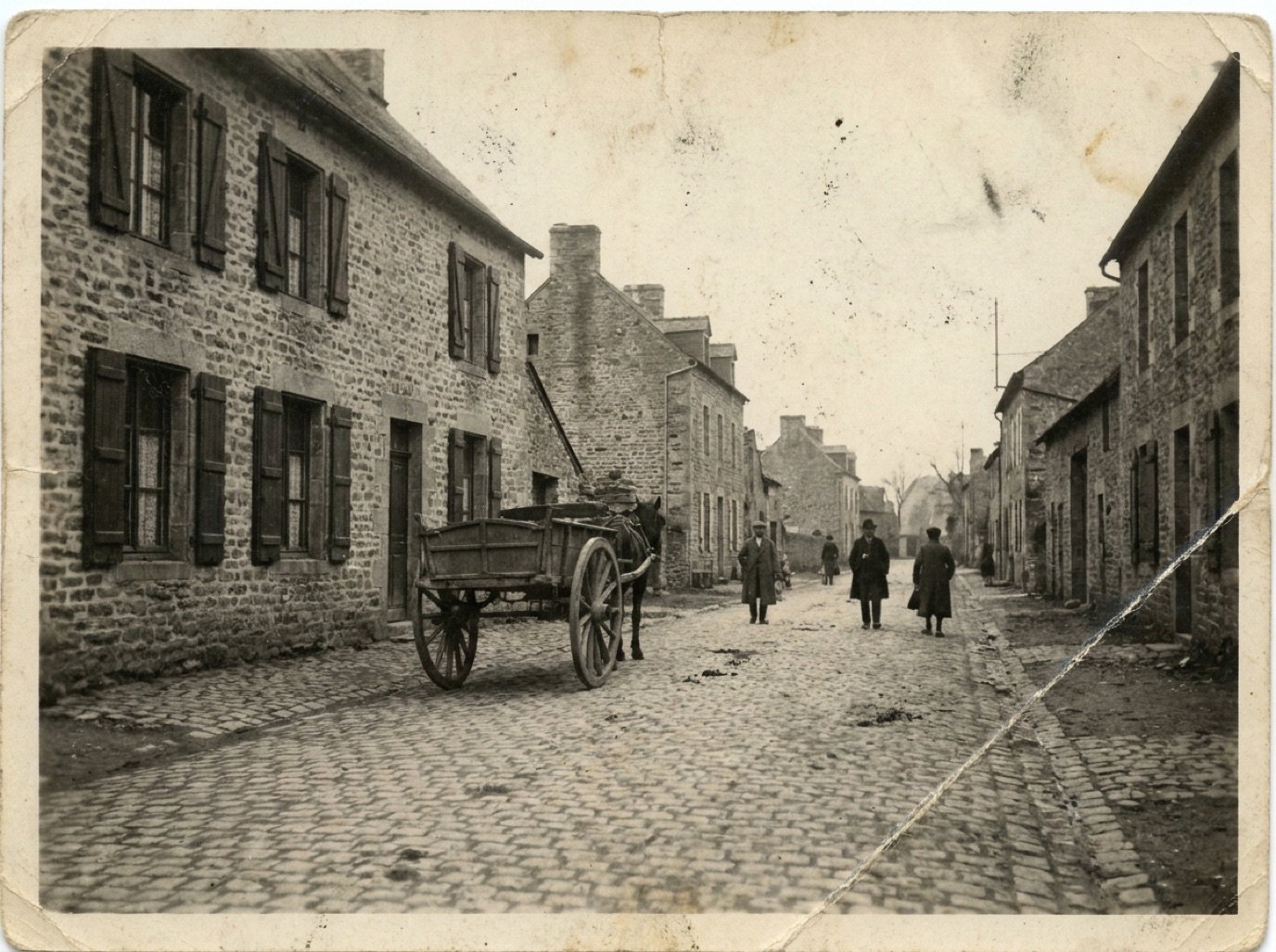
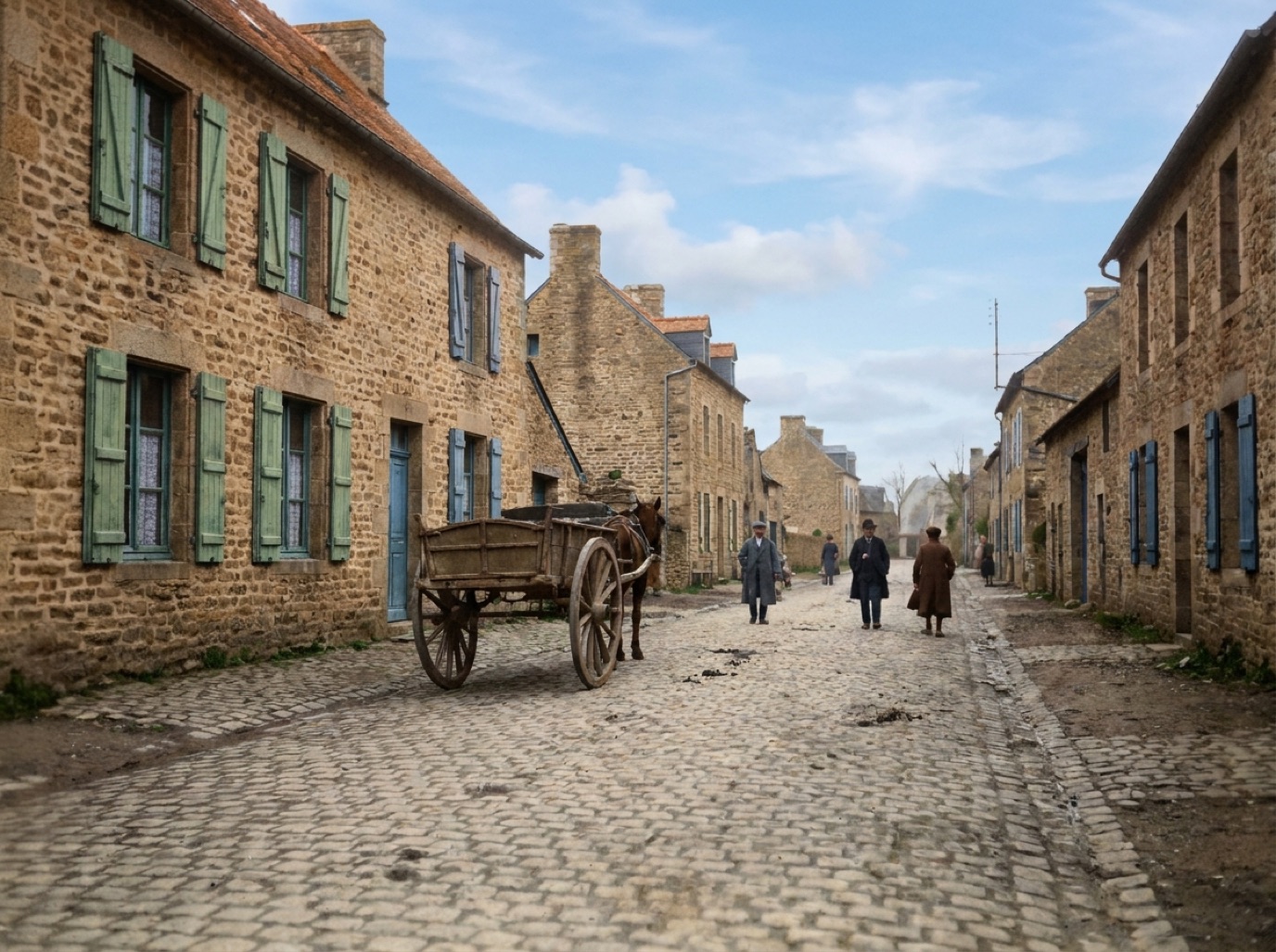
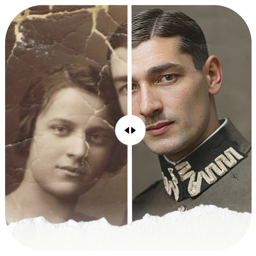
Colorized historical photos regularly go viral, and they regularly start arguments. Some people feel color brings the past closer and helps us see historical figures as real people. Others worry that it alters documents and spreads invented details. Both sides have a point. Here's a practical way to think about it.
The case for colorization
- Empathy: people in color look like people we might know, not distant figures.
- Engagement: colorized photos draw people into history who would scroll past black and white images.
- Family connection: seeing a grandparent in color can be an emotional, meaningful experience.
- It isn't new: photographers hand-tinted photos from the 1840s onwards (see the history of hand-tinted photos).
The case for caution
- Invented details: AI guesses colors; viewers may assume they're real (see are colorized photos accurate?).
- Altered context: clothing, flags or skin tones colored incorrectly can misrepresent people and events.
- Lost originals: if colorized versions circulate without the original, the historical document gets replaced by an interpretation.
- Sensitive subjects: photos of tragedies and atrocities require particular care and respect.
Simple rules that resolve most concerns
- Always label it: "Colorized" or "Restored and colorized with AI".
- Keep and share the original alongside the colorized version.
- Research what can be researched: uniforms, flags, documented clothing.
- Don't "improve" history: removing damage is restoration; changing what's in the photo (adding smiles, removing people) is fabrication.
- Be respectful with sensitive images: ask whether color adds understanding or just spectacle.
- Ask families before publishing colorized photos of private individuals.
Family photos vs public history
For your own family photos, the stakes are personal: colorization is a creative way to connect, and your relatives can tell you what's right or wrong. For public historical photos, archives, publications and social media, the labeling and original-keeping rules matter more.
Restoration is different from colorization
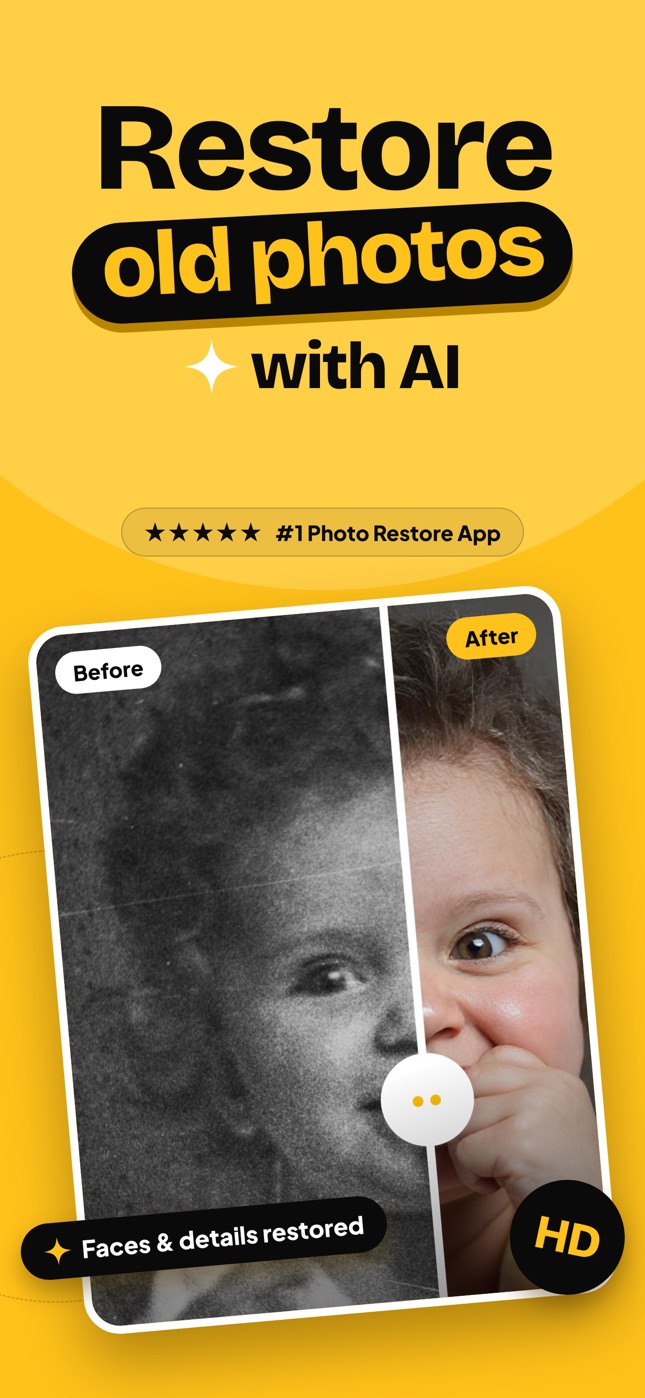
Removing scratches, stains and fading returns a photo toward how it looked when printed. Colorization adds information that wasn't recorded. Apps like Refixo do both, and you can keep the restored version, the colorized version and the untouched original.
Related: should you colorize old photos? and is AI photo restoration accurate?
A simple caption template
When you share a colorized photo, a short caption covers the essentials:
[Names], [place], [year]. Original black and white photograph from the [family name] collection. Restored and colorized with AI in 2026; colors are interpretations.
It takes ten seconds and makes the photo far more useful to anyone who finds it later.
Frequently asked questions
Is it wrong to colorize historical photos?
Not inherently. It's a widely accepted interpretive practice when labeled and shown alongside the original.
Should colorized photos be labeled?
Yes. Labeling avoids misleading viewers and preserves trust.
Can colorization change history?
It can mislead if colors are presented as fact. Research and labeling prevent that.
Is restoring different from colorizing?
Yes. Restoration removes damage; colorization adds interpreted color.
Restore it in seconds
Bring your old photos back to life
Refixo's AI removes scratches, tears and stains, sharpens faces and colorizes black & white photos in seconds. Free to download on iPhone and iPad, with a 3-day free trial.
Download on theApp Store