How to Prevent Photos from Fading (Prints, Frames and Albums)
Prevent old photos from fading: why prints fade, how light, heat and humidity speed it up, safe display with UV glass, archival storage and reprints.
By Ayoub Farid · · 2 min read
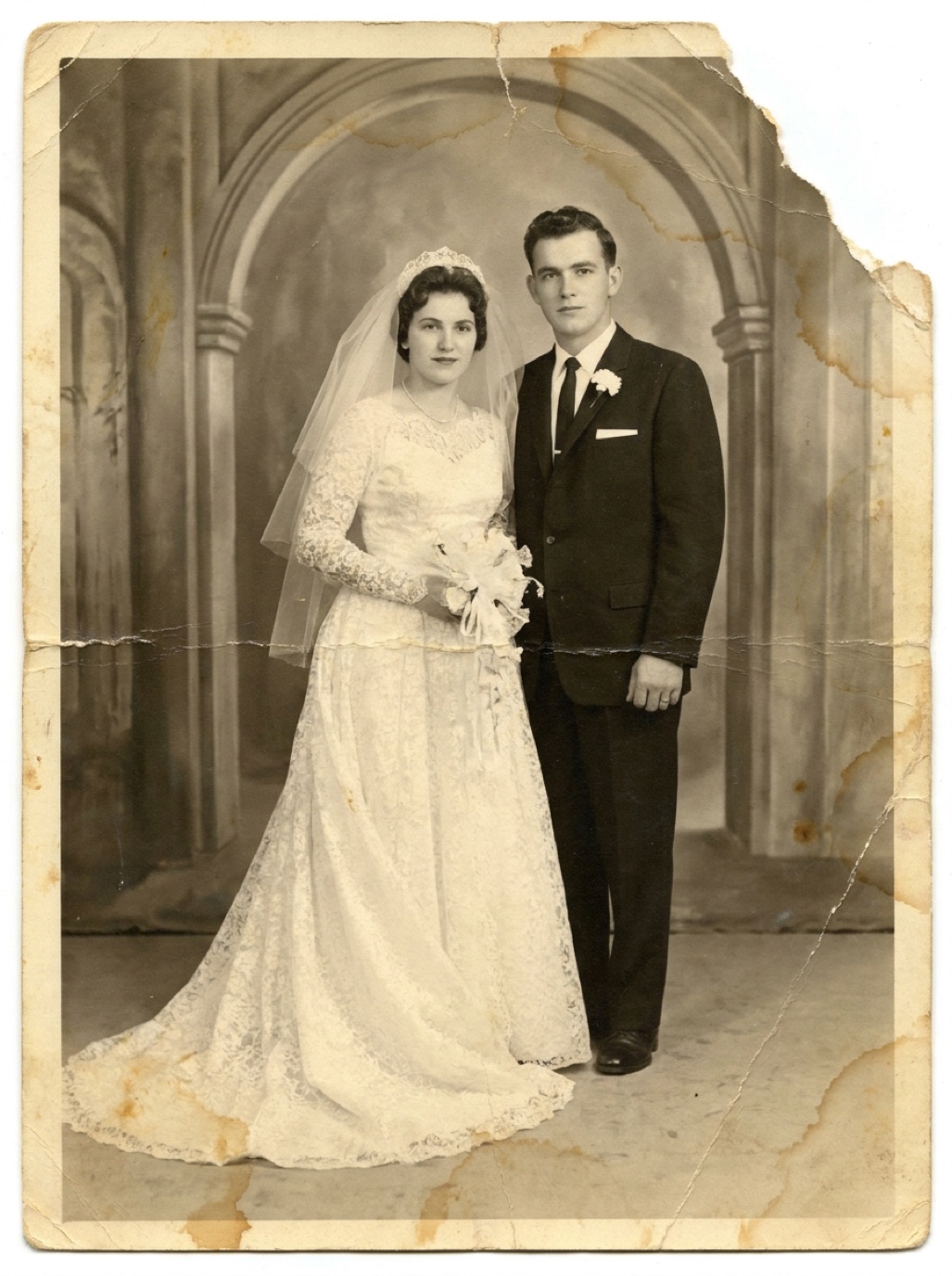
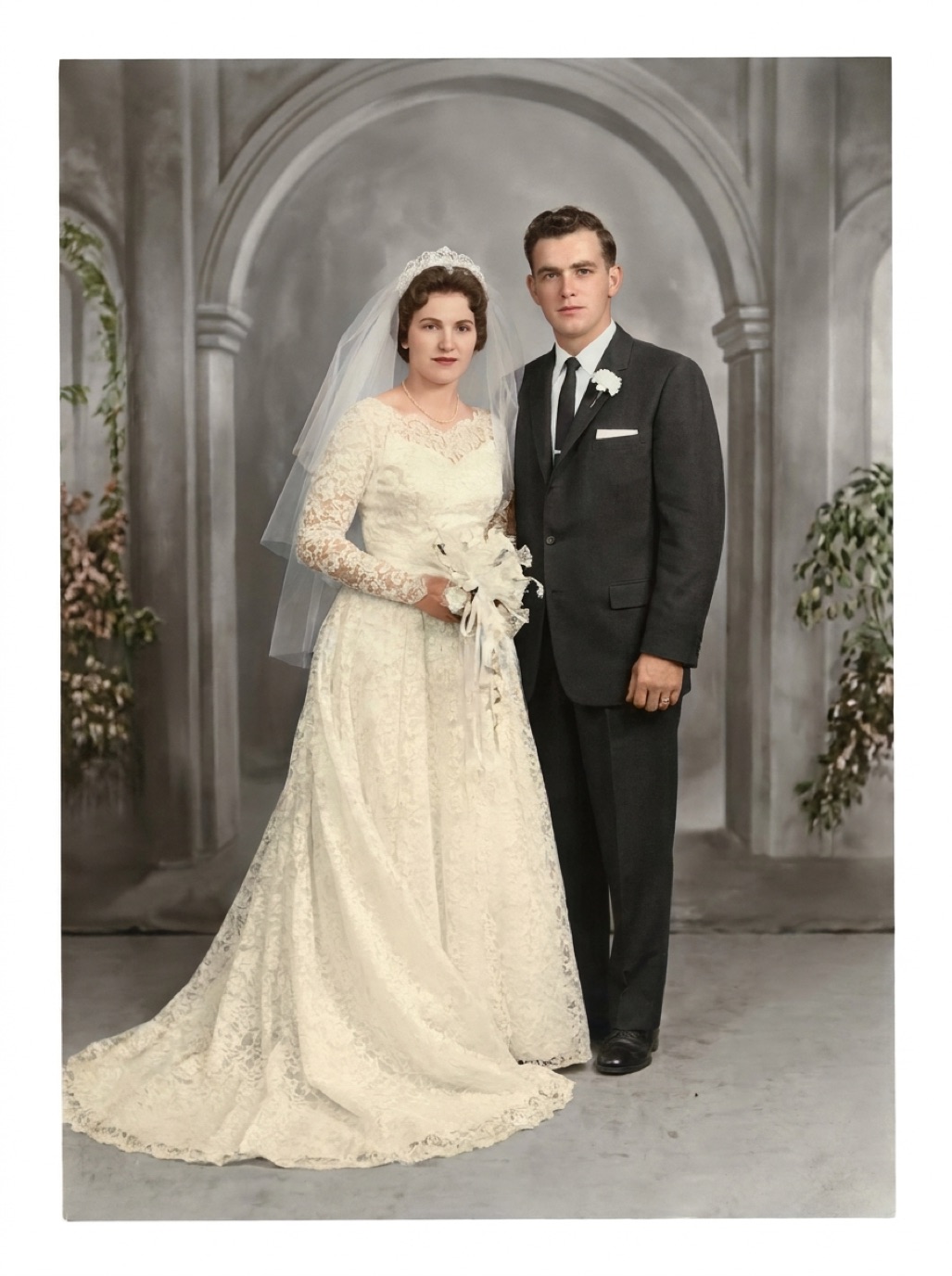
Fading is slow and silent. You don't notice a photo fading year to year until you compare it with a copy kept in a drawer and realize the one on the wall has lost half its color. You can't stop chemistry completely, but you can slow it dramatically.
What causes fading
- Light: the biggest factor for displayed photos, especially sunlight and fluorescent light, which contain UV.
- Heat: every 5–10 °C increase speeds up chemical reactions significantly.
- Humidity: high humidity accelerates dye fading and yellowing.
- Pollutants: ozone, smoke, cooking fumes and some paints and woods release gases that damage photos.
- Poor-quality materials: acidic mats, cardboard and albums.
Color prints from the 1960s–1980s are particularly unstable; many have already shifted toward red or orange (see fixing faded photos).
For photos on display
- Display a reprint, not the original. Restore and print a copy; store the original. This is the single most effective step.
- Use UV-filtering glass or acrylic in frames.
- Avoid direct sunlight: hang photos on walls that don't get sun, away from windows.
- Use archival mats so the photo doesn't touch the glass.
- Avoid kitchens and bathrooms (heat, humidity, fumes).
- Rotate displays every few years if you do display originals.
See framing old family photos.
For photos in storage
- Archival, acid-free boxes and PVC-free sleeves.
- Cool, dry, dark interior rooms.
- Not in attics, basements or garages.
Details in how to store old photos.
Digitize before it gets worse
Fading is irreversible on the print, but a digital copy freezes the image at today's quality, and restoration can bring back much of what was lost. With Refixo, you can restore contrast and natural colors to faded prints in seconds, then print a fresh copy for display.
For new prints
If you're printing restored photos:
- Choose archival pigment prints or a lab that offers long-life papers.
- Matte and lustre papers in frames last well.
- Keep a digital master so you can reprint any time.
A quick fading audit
Walk around your home and look at every framed photo. If it's in direct sun, near a radiator, in a bathroom or kitchen, or has been on display for more than a decade, take it down, scan it and replace it with a restored reprint. Put the original in an archival sleeve. Ten minutes of this can save photos that would otherwise be unrecognizable in another twenty years.
Frequently asked questions
Can you stop photos from fading?
You can slow it dramatically with dark, cool, dry storage and by displaying reprints instead of originals.
Does UV glass stop fading?
It significantly reduces fading from UV light, but visible light still causes some. Avoid direct sun.
Can faded photos be restored?
Yes, digitally. Contrast and colors can be recovered on a scan; the physical print stays faded.
Which photos fade fastest?
Color prints from the 1960s–1980s and any photo displayed in sunlight.
Restore it in seconds
Bring your old photos back to life
Refixo's AI removes scratches, tears and stains, sharpens faces and colorizes black & white photos in seconds. Free to download on iPhone and iPad, with a 3-day free trial.
Download on theApp Store